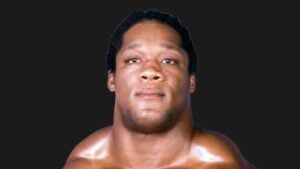



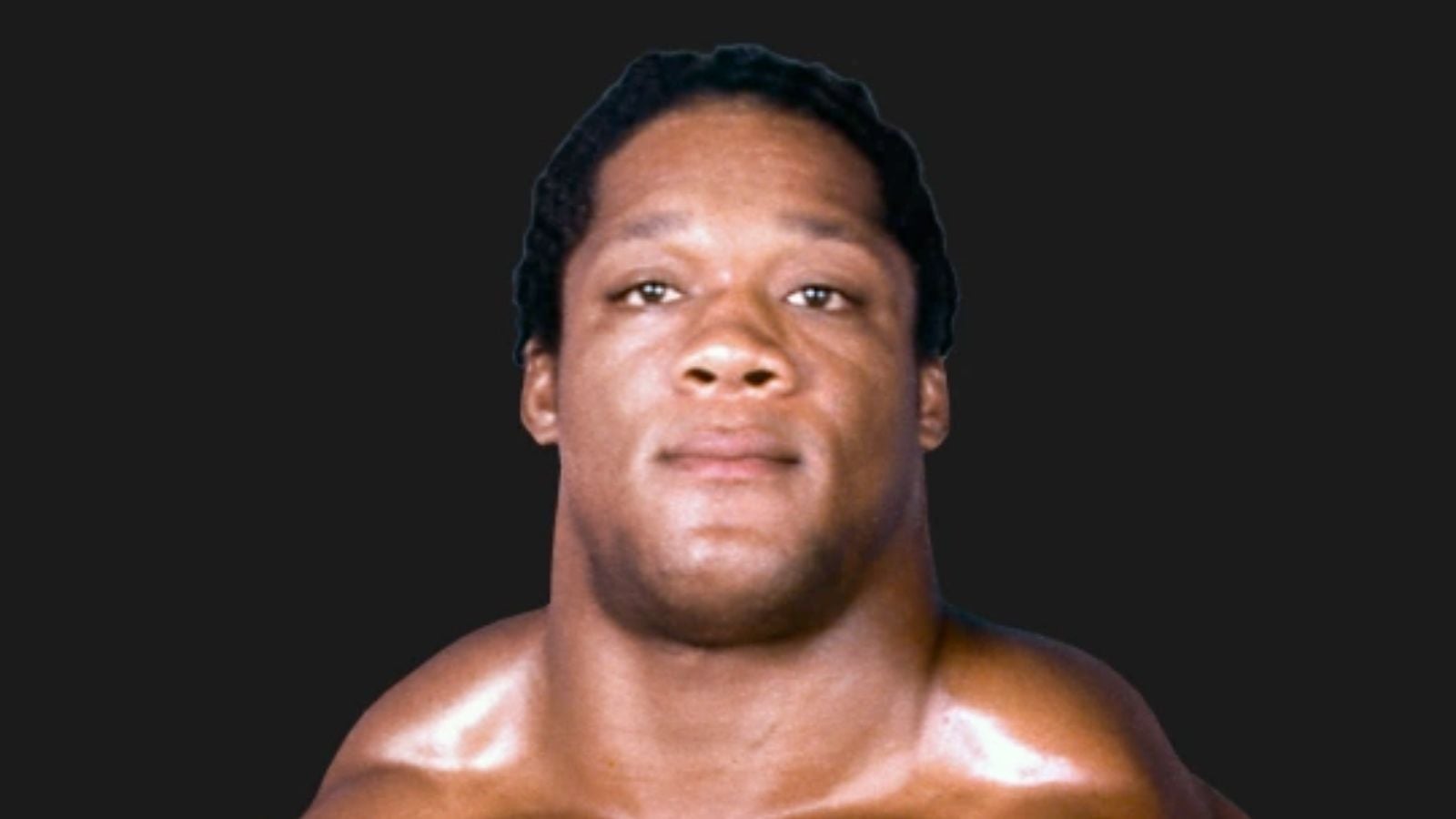
Tony Atlas, better known as “Mr. USA,” stands among wrestling’s most physically imposing figures from the territorial era through the national expansion boom.
Born Anthony White on June 12, 1956, in Roanoke, Virginia, Atlas wasn’t just another athlete stepping into the squared circle; he brought a bodybuilding pedigree that included three Mr. USA titles, turning heads long before promoters noticed his potential.
“America has been good to me and I have no regrets… If I had one thing that I would do differently… the first thing that I would have done is listen… they told me, ‘You’ll do okay in this business, kid, if you stay away from the drugs.’”
–Tony Atlas on his overall journey and regrets
His career spanned NWA territories, WWF (now WWE), World Class Championship Wrestling (WCCW), WCW, and even a late-career stint managing in ECW.
What defined Atlas was his raw power: press slams that looked effortless, a physique that screamed legitimacy in an era of caricatures, and a babyface appeal that made him a natural foil for monsters and cheats alike.
Yet his path was far from linear, marked by breakthrough moments, creative misfires, personal demons, and a legacy as a trailblazer for African-American wrestlers.
Tony Atlas –
Early Days: From Gyms to Gymkhanas
Atlas’s entry into wrestling reads like a classic underdog story with a twist—he was overqualified from the start. Spotters in Roanoke gyms, including wrestlers like Sandy Scott and Klondike Bill, saw a 260-pound powerhouse deadlifting cars and convinced him to train.
By the mid-1970s, he was in Charlotte under Scott’s guidance, reportedly the first wrestler “paid to learn,” drawing a salary, YMCA lodging, and gym access while absorbing fundamentals.
Debuting around 1975-1976, Atlas quickly hit the NWA circuit, where his look—chiseled arms, broad shoulders—set him apart from the standard brawlers.
His first real traction came in Georgia Championship Wrestling under Jim Barnett and later Ole Anderson. Here, Atlas wasn’t just muscle; he was a worker.
He captured the NWA Georgia Television Championship, defending against TV-style challengers with quick, impactful spots. The Georgia Heavyweight Title followed, positioning him as a credible main-event threat.
Tag work rounded it out—he held versions of the Georgia Tag Team belts, often paired with local favorites to draw houses.
Promoters loved booking him against bullies who relied on shortcuts, letting Atlas’ strength spots pop crowds without needing mic skills.
This era established his blueprint: an athletic babyface overwhelming heels through superior conditioning and power.

Signature Feuds: Testing the Mr. USA Myth
Atlas’s rivalries in the late 1970s and early 1980s were tailor-made for his attributes. In Georgia, Jesse “The Body” Ventura became a perfect foil—a fellow body guy with more mouth than muscle in kayfabe.
Their matches boiled down to “who’s the real Mr. America?” with Atlas pressing Ventura overhead to silence taunts. It was physique porn for fans, but Atlas sold the ego clash convincingly.
Then came Ole Anderson, around 1980. Ole’s grinding, no-nonsense style clashed with Atlas’ flash, creating TV gold.
Atlas had to survive armbars and stomps before unleashing dropkicks and slams—proving he could hang technically. Georgia crowds ate it up, as Atlas represented the new guard challenging the old.
No feud defined Atlas like Abdullah the Butcher. Spanning Georgia (1980) and WCCW later, these were bloodbaths.
Abdullah’s forks and salt-rubbed wounds met Atlas’ resilience; he’d no-sell early carnage, then gorilla press the madman.
Videos show Atlas staggering but firing back with clotheslines that echoed through arenas. These weren’t pretty; they were survival tests, elevating Atlas as the guy who could take Abdullah’s worst and keep swinging.
In Mid-South and Florida, Atlas tangled with the Fullers and Bruiser Brody types, always the honorable powerhouse.
These programs honed his selling—taking punishment to build sympathy—while his comebacks (spinal taps, airplane spins) made pops inevitable.

WWF Arrival: The Historic Tag Breakthrough
Vince McMahon Sr.’s WWWF eyed Atlas early, but it was Vince Jr.’s expansion era that landed him. Debuting in 1981 as a singles midcarder, Atlas filled the “impressive Black babyface” role post-Junkyard Dog.
He jobbed cleanly to heels like Iron Sheik but shone in multi-man matches, his physique popping on syndicated TV.
The game-changer: teaming with Rocky Johnson. Both Samoan-drop masters with star power, they clicked. On November 15, 1983, at Roosevelt Stadium, they pinned Afa to dethrone the Wild Samoans for the WWF Tag Team Championship—the first African-American duo to hold WWF gold.
The reign lasted months, with defenses blending Johnson’s speed and Atlas’s power. Highlights included TV squashes and house-show wars, where they’d isolate Samoans for double-team presses.
Backstage, egos clashed—Johnson wanted the spotlight, Tony Atlas chafed at perceived underuse. They dropped belts back to Samoans amid rumors of disharmony.
Unfortunately, all that glittered wasn’t gold between Johnson and Atlas behind the scenes. While Rocky did provide guidance towards Atlas their time together was limited as was their success.
“Me and Rocky Johnson tag team with Rocky in other territory had a lot of territory… we was tag team champions for a year… we teamed up twice in a year, very limited.”
– Tony Atlas on teaming with Rocky pre-WWF and early chemistry
“Rocky Johnson… we never got along
Still, the milestone endures; WWE bios call it “defining” for diversity. Post-title, Atlas tagged with S.D. “Special Delivery” Jones, a fan-favorite pairing emphasizing underdog grit.
WrestleMania 2’s battle royal saw Atlas toss jobbers before Perry eliminated him—a celebrity spot underscoring his utility.
World Class and Texas Territory Resurgence
Leaving WWF, Tony Atlas hit WCCW’s hot Dallas scene. Booked strongly, he won Texas Tag Team Titles with Skip Young (1987), defending against Freebirds and Von Erich allies.
Singles-wise, he chased Texas Heavyweight gold in tournaments, facing One Man Gang and Great Kabuki—power vs. power drawing houses.
Abdullah rematch here amplified gore; Atlas bled buckets but powered through, embodying Texas’ hard-nosed style. These runs reminded promoters: Atlas could headline midcards anywhere, his look transcending regions.

Saba Simba: Creative Misfire
1990 WWF return brought “Saba Simba”—spear, headdress, “African warrior” gimmick. Pitched as heritage reclamation, it landed poorly amid WWF’s cartoon shift. Planned Akeem feud fizzled post-Akeem’s exit; Atlas lost to Dino Bravo, Barbarian—midcard filler without direction.
Critics later called it stereotypical, clashing with Atlas’ bodybuilder image. No titles, no momentum; it highlighted WWF’s uneven handling of his return. Atlas later reflected on era mismatches without bitterness.
In World Championship Wrestling 1992, Tony Atlas turned heel, debuting with The Barbarian via squash. They targeted Barry Windham and Dustin Rhodes, positioning themselves as credible threats.
Atlas’ suplexes complemented Barbarian’s chops; TV losses built babyfaces without diminishing auras. Short run, no gold, but it showed Atlas’ versatility—babyface powerhouse to veteran heel enforcer late-career.
In 2006, WWE Hall of Fame: S.D. Jones inducted him, speech owning failures: “Success to thousands; failures to one in the mirror.” As part of the ECW rebrand in the WWE, Tony Atlas managed Mark Henry, interfering to help him retain the ECW Title against Matt Hardy and MVP. Added gravitas, linking eras.
Atlas’ career accomplishments include: WWF World Tag Team Championship (w/Rocky Johnson, 1983), NWA Georgia Heavyweight Championship (1), NWA Georgia Television Championship (1), NWA Georgia Tag Team Championship (multiple variants), WCCW Texas Tag Team Championship (w/Skip Young, 1987), AWF North American Heavyweight Championship and regional tags in Mid-South/Florida/CWA.
Despite the highest of highs for Atlas he has also faced some of the lowest of lows both personally and professionally.
The school of hard knocks played a part in Atlas’ life. When provided with opportunities it is what you do with those opportunities that will dictate your success according to Atlas.
“We’re paying you the money we’re paying you to help you to get on your feet so you could buy a car and become independent… Since you don’t appreciate what we’re doing for you… I got to teach you a lesson.”
– Tony Atlas on how the business “taught him a lesson” financially
Atlas endured homelessness and poverty only to overcome it all and find a new lease on life. He appears to live by the motto that when pointing the finger at someone else, four others are pointing right back at you.
Atlas takes full responsibility for his life choices and the consequences that came from them, rather than others, including bookers or promoters.
“I had a lot of problems in the wrestling business, primarily created by me. My success in life I owe to thousands of people; my failures, I owe to one, and I have to look at that one person in the mirror every day when I shave.
I don’t blame Vince McMahon or anybody else for the foolish mistakes that I made in life — I made them myself.”
-Tony Atlas on the troubles in the wrestling business and life.
From his battles with Jesse ‘The Body’ Ventura, Abdullah the Butcher, and Bruiser Brody to legendary tag team success alongside Rocky Johnson and their battles with the Wild Samoans, Tony Atlas contributions to the industry prove he was making a mark in the only way he knew how..his own.
While Atlas wasn’t Hogan or Flair, no world titles were sustained nationally. From his peak success in Georgia Championship Wrestling and his dominance to the WWF milestone and his professional lows as Saba Simba, Atlas has seen it all, as only Mr. USA