
In the mid-1990s, the backstage landscape of the World Wrestling Federation (WWF) was notoriously cutthroat. While fans are well-acquainted with the heavy-handed political maneuvering of “The Kliq”, the infamous backstage group consisting of Shawn Michaels, Triple H, Kevin Nash, Scott Hall, and Sean Waltman—there was another powerhouse collective that ruled the locker room with a vastly different philosophy.
They didn’t politic for titles, they didn’t bury colleagues to Vince McMahon, and they didn’t care about shifting the on-screen booking to suit themselves.
They were a brotherhood built on old-school loyalty, travelling together, drinking Jack Daniel’s, and playing endless hours of dominoes.
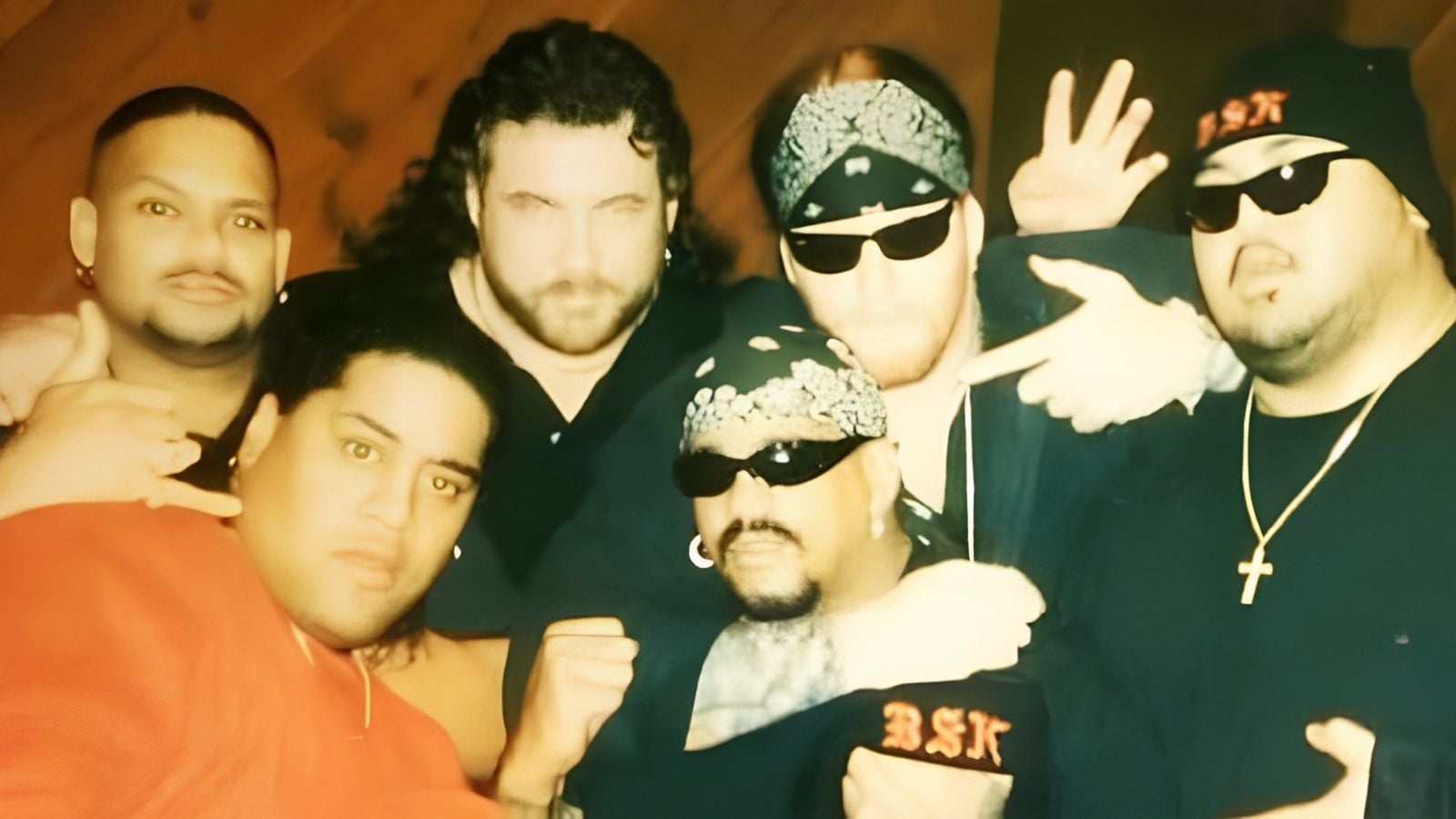
They were the Bone Street Krew (also known as “BSK”).
Despite holding immense collective power behind the curtain, they never once marched down the entrance ramp as an official on-screen faction. This is the story of the BSK—the locker room’s true enforcers.

The Bone Street Crew: Who Was Inside the Circle?
The Bone Street Krew wasn’t an open club; it was an exclusive brotherhood of massive men and respected workers.
Initiated primarily by Yokozuna (Rodney Anoa’i) and anchored by the ultimate locker room general, The Undertaker (Mark Calaway), the roster of the BSK was formidable:
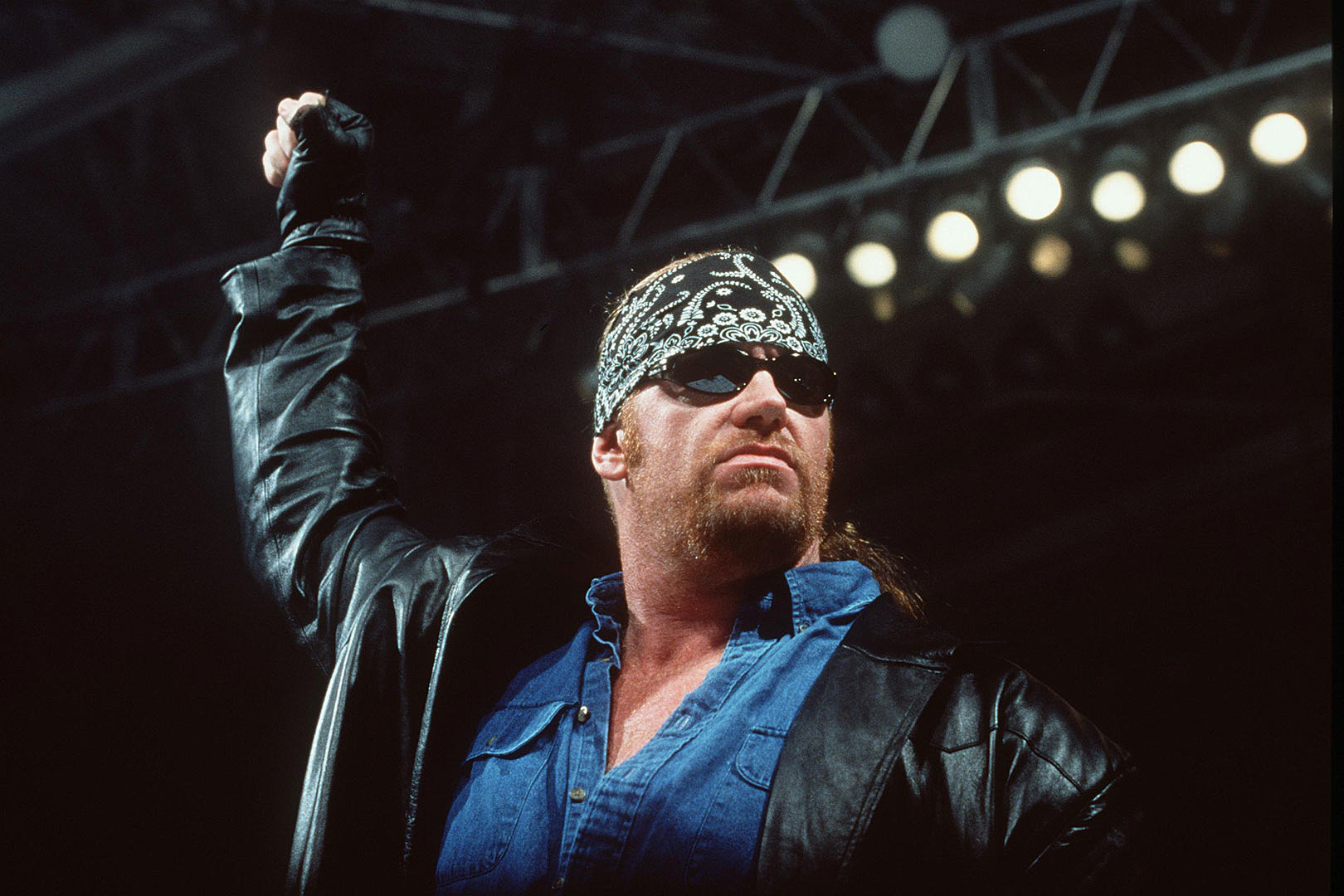
The Undertaker
He was considered the locker room leader; Mark Calaway was the undisputed anchor of the BSK and the ultimate locker room leader for the entire WWF roster.
Behind the scenes, his relationship with the crew was rooted in mutual respect rather than fear. While he wielded immense political leverage with Vince McMahon, “Taker” never used it for selfish gain; instead, he acted as a protective shield for his friends.
If a member of the BSK was getting unfairly buried by creative or targeted by rival factions, Calaway went to bat for them in closed-door meetings.
On the road, he was the glue that kept everyone grounded, often acting as the voice of reason during chaotic nights.
He took his commitment to the brotherhood so seriously that he famously had the initials “BSK Pride” tattooed across his stomach, cementing his lifelong loyalty to the crew.
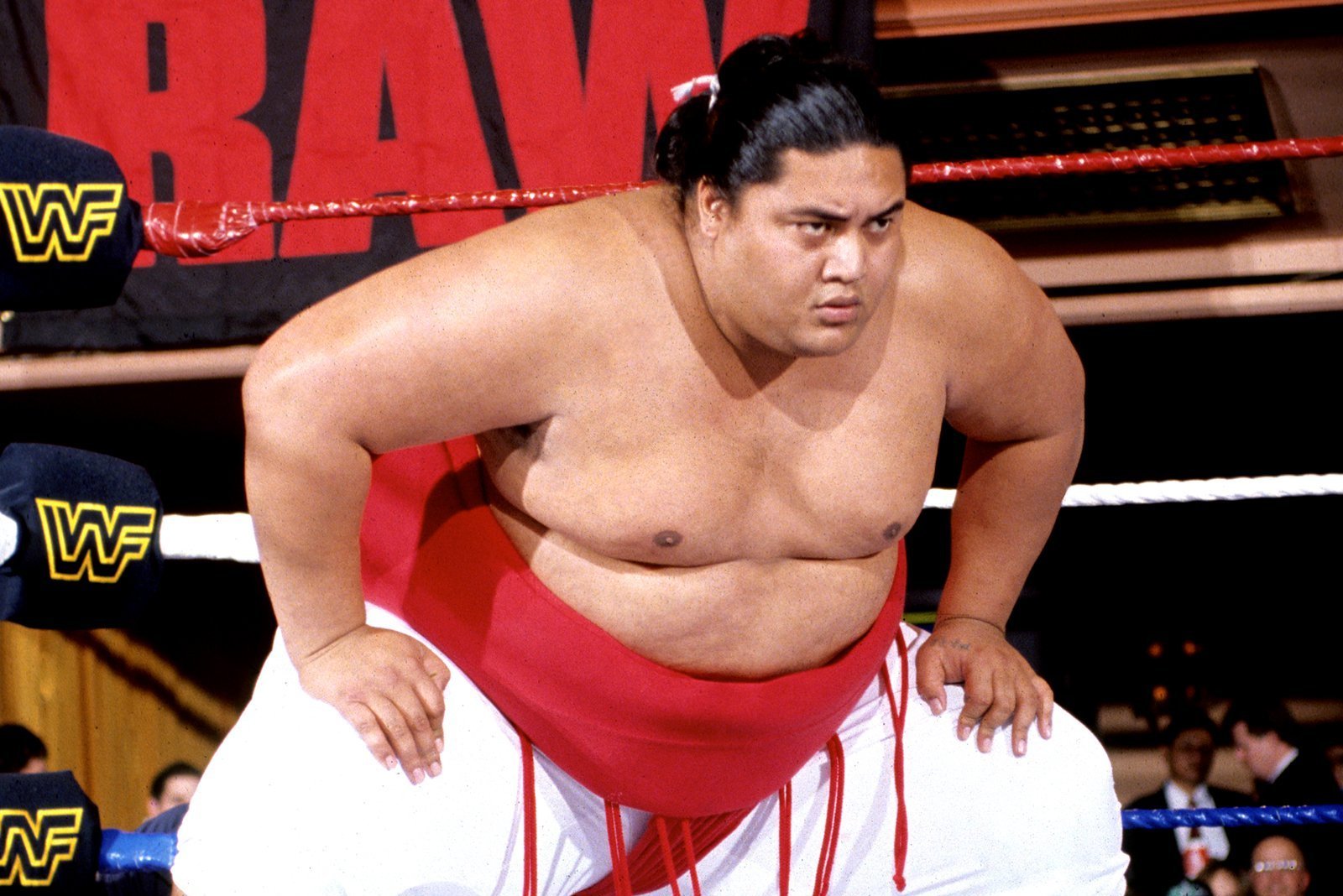
Yokozuna
The late Rodney Anoai was the heart and soul of the BSK, and a co-founder alongside The Undertaker.
Behind the curtain, “Yoko” was a gentle, deeply generous giant who loved playing dominoes and hosting late-night gatherings in his hotel room.
His backstage relationship with the group was built on making sure everyone felt safe and fed; he frequently used his main-event status to pick up expensive dinner tabs and ensure lower-card members were taken care of.
Because he and The Undertaker were top draws working main-event loops together, they used their combined star power to establish the BSK as a respected locker room force.
When Anoa’i began struggling with severe health and weight issues later in his career, the BSK fiercely protected his privacy, stepping in to watch over him on the road when management began giving him a hard time.

The Godfather
Wright wrestled under the personas of Papa Shango /Kama Mustafa and The Godfather. He was the designated enforcer, muscle, and absolute life of the party for the BSK.
His bond with The Undertaker and Yokozuna was forged through years of sharing rental cars and late-night whiskey, and he was universally trusted to have anyone’s back in a real fight.
Behind the scenes, Wright was the bridge that kept the locker room loose, using his naturally charismatic, easygoing personality to diffuse backstage tension.
Whenever political drama threatened to boil over, Wright was the guy who broke it up with a joke or a firm warning.
He was intensely protective of his brothers; if anyone outside the circle showed disrespect to a BSK member, Wright was the first to confront them.
His loyalty was reciprocated when his brothers advocated for him creatively, helping him navigate various gimmick transitions until he struck gold.

Savio Vega
Juan Rivera brought a passionate, fierce Puerto Rican pride and an incredible work ethic to the BSK.
Backstage, Savio was viewed as the group’s reliable road warrior and an essential sounding board for match psychology.
His relationship with the crew was deeply collaborative; he was highly respected for his willingness to work with anyone and make them look like a star.
Because the BSK was a multicultural brotherhood in an era when wrestling locker rooms was often highly segregated, Vega found a safe haven of true equality within the group.
His brothers protected him from political sabotage, and in return, Vega offered absolute, unshakeable loyalty. He frequently acted as the translator and mediator when international talent felt isolated backstage.
He was extending the BSK’s culture of locker room hospitality and protective oversight to those who needed a helping hand.

Fatu
Solofa Fatu Jr.(also known as Rikishi) was a crucial link between the BSK and the legendary Anoa’i wrestling family.
Behind the scenes, Fatu’s relationship with the group was deeply emotional and familial, as he was Yokozuna’s cousin and shared a profound, lifelong bond with him.
Fatu was known as a peacemaker who infused the group with warmth, humour, and a laid-back locker room presence. He was the guy who kept morale high during gruelling European tours and exhausting travel schedules.
When Fatu went through difficult creative stretches—navigating the end of the Headshrinkers and struggling with short-lived gimmicks like “The Sultan”—the BSK kept his spirits up and constantly reminded management of his world-class in-ring talent.
This backstage emotional support system kept him grounded until he finally found massive success years later as Rikishi.

The Godwinns
The tandem of Henry O. Godwinn / Mark Canterbury and Phineas I. Godwinn / Dennis Knight (who later became Mideon) were the beloved “country boys” of the BSK, providing an injection of raw grit and southern hospitality.
Behind the curtain, their relationship with the rest of the crew was built on shared, blue-collar values; they loved drinking beer, playing dominoes, and protecting the boys.
They were essentially the frontline infantry for the BSK, always ready to handle any physical confrontation that came the group’s way.
When Canterbury suffered a horrific, near-fatal cracked C-7 vertebra in his neck during a 1997 match, the BSK didn’t just offer empty well-wishes; they rallied around him financially and emotionally, checking on his family constantly.
Knight was similarly protected, and when the Godwinn tag team split, The Undertaker personally brought Knight into his “Ministry of Darkness” stable as Mideon, ensuring his brother kept a steady paycheck.
The name itself directly reflected their primary backstage bonding ritual: playing dominoes. In street slang, dominoes are frequently referred to as “bones.”
Sitting at a table for five or six hours during long TV tapings, slam-banging dominoes onto tables until the wood literally cracked, the group earned its name.
In an interview with WWE.com, Charles Wright explained the daily routine:
“We were a bunch of guys that hung out together, rode together, listened to the same type of music, did the same things at night… and we played dominoes.
The Godwinns didn’t play dominoes. Savio played. But the ones that definitely played were me, Rikishi, Yoko and Undertaker.”
Ink, Blood, and Backstage Brotherhood
Unlike The Kliq, who operated as a political bloc to elevate their own status, the BSK formed as a defensive unit and a locker-room equalizer.
They wanted to ensure the environment stayed stable during a chaotic transitional period in wrestling history. To solidify their bond, the members decided to do something permanent: they got matching “B.S.K.” tattoos.
Savio Vega was actually the trendsetter for the group’s ink. As Vega recalled in the same WWE.com retrospective:
“My wife and I went to the Florida Keys for our anniversary, and that’s when I said, ‘I want a tattoo.’ … When we got home to Puerto Rico, I got interested in tattoos…
I said to the guy, ‘On this side, I want you to put BSK.’ I arrived to the arena, and I said, ‘OK, I got my tattoo. I want to see more tattoos.'”
Soon, the rest of the crew followed. Charles Wright had the letters etched across the knuckles of a giant demon tattooed on his back.
Henry Godwinn placed it on his leg. The most famous iteration, of course, belonged to The Undertaker, who had “BSK Pride” boldly tattooed across his stomach—a piece of real-life allegiance that fans saw every time he lowered his singlet after a gruelling match.
Triple H later reflected on the moment the BSK got inked.
“I remember when they all got tattoos. We all were like, ‘Oh my God, none of us are getting Kliq tattoos, I can tell you that.
They’re laughing at us and saying we’re a bunch of marks for ourselves, [yet] they all got tattoos?’”
But the BSK weren’t “marks” for the business; they were marks for each other. When top stars from other groups or political factions attempted to push mid-carders around, the BSK stood as a silent, monolithic wall.
Nobody wanted to pick a fight with a crew that contained a 600-pound Yokozuna, a legitimately tough street fighter like Charles Wright, and the undisputed locker room judge, The Undertaker.
(Kayfabe) Fighting Within the Krew
Because the Bone Street Krew was strictly an off-screen alliance, its members routinely wrestled one another or formed temporary partnerships depending on the company’s creative direction. They kept their personal brotherhood entirely separate from their professional duties.
There was, however, one notable exception where the BSK visually coalesced on pay-per-view. At Survivor Series 1995, The Undertaker led a traditional four-on-four elimination team called “The Darkside.” His partners that night were none other than his real-life BSK brothers: Savio Vega, Fatu, and Henry O. Godwinn.
The match was a dominant showcase, with The Undertaker systematically eliminating every member of the opposing team (“The Royals,” featuring King Mabel, Jerry Lawler, Isaac Yankem, and Hunter Hearst Helmsley) to secure a clean sweep for the BSK-heavy unit.
Beyond that collective outing, the members were frequently tasked with anchoring major programs against one another.
The most historically significant on-screen clashes occurred between the group’s co-founders, The Undertaker and Yokozuna.
They headlined two iconic, high-stakes WWF Championship matches in 1994: The first was the 1994 Royal Rumble.
It featured a chaotic Casket Match where Yokozuna successfully defended his WWF Championship after enlisting the help of nearly a dozen heel wrestlers to shut the Deadman inside the box.
The other was the 1994 Survivor Series, which culminated with a Casket Match rematch featuring action film star Chuck Norris as the special guest enforcer at ringside to prevent outside interference.
This time, The Undertaker gained vengeance, rolling his real-life best friend into the casket for the victory.

Why BSK Never Marched in Front of the Curtain
With factions like D-Generation X, the Nation of Domination, and the New World Order (nWo) dominating television ratings in the late 1990s, it seems baffling on the surface that the WWF never capitalized on a group as authentic and visually intimidating as the Bone Street Krew.
However, according to the members themselves, the group was never meant to be a product for television.
Protecting Kayfabe and The Varying Gimmick Disparity
In the mid-90s, characters were highly distinct and deeply segregated. To put the supernatural, gothic Undertaker on screen alongside a hog-farming babyface like Henry Godwinn, a Puerto Rican street brawler like Savio Vega, and a traditional Samoan sumo champion like Yokozuna would have utterly shattered the suspension of disbelief.
The creative team couldn’t find a narrative bridge to logically explain why these wildly mismatched personas would stand side by side on Monday Night Raw.
The group enforced a strict internal code against bringing their real-life bonds into televised storylines. Their professional boundaries preserved the product’s presentation, ensuring that their backstage loyalty didn’t undermine the storylines Vince McMahon was trying to sell to the public.
The Final Ride
As the WWF transitioned out of the New Generation era and slammed headfirst into the Attitude Era, the Bone Street Krew naturally dissolved as a backstage entity.
Yokozuna parted ways with the company due to health issues before his tragic passing in 2000. Savio Vega departed in 1998, and other members shifted into entirely new on-screen roles, most notably Charles Wright transforming into the wildly successful Godfather persona and Fatu evolving into Rikishi.
Though they faded from the locker room, the bond never broke.When The Undertaker finally retired at Survivor Series 2020, exactly 30 years after his debut, the surviving members of the Bone Street Krew flew to Orlando to stand inside the ring together one last time.
They weren’t there as wrestling characters; they were there as old friends who had survived the road, protected the locker room, and remained fiercely loyal to the end.