

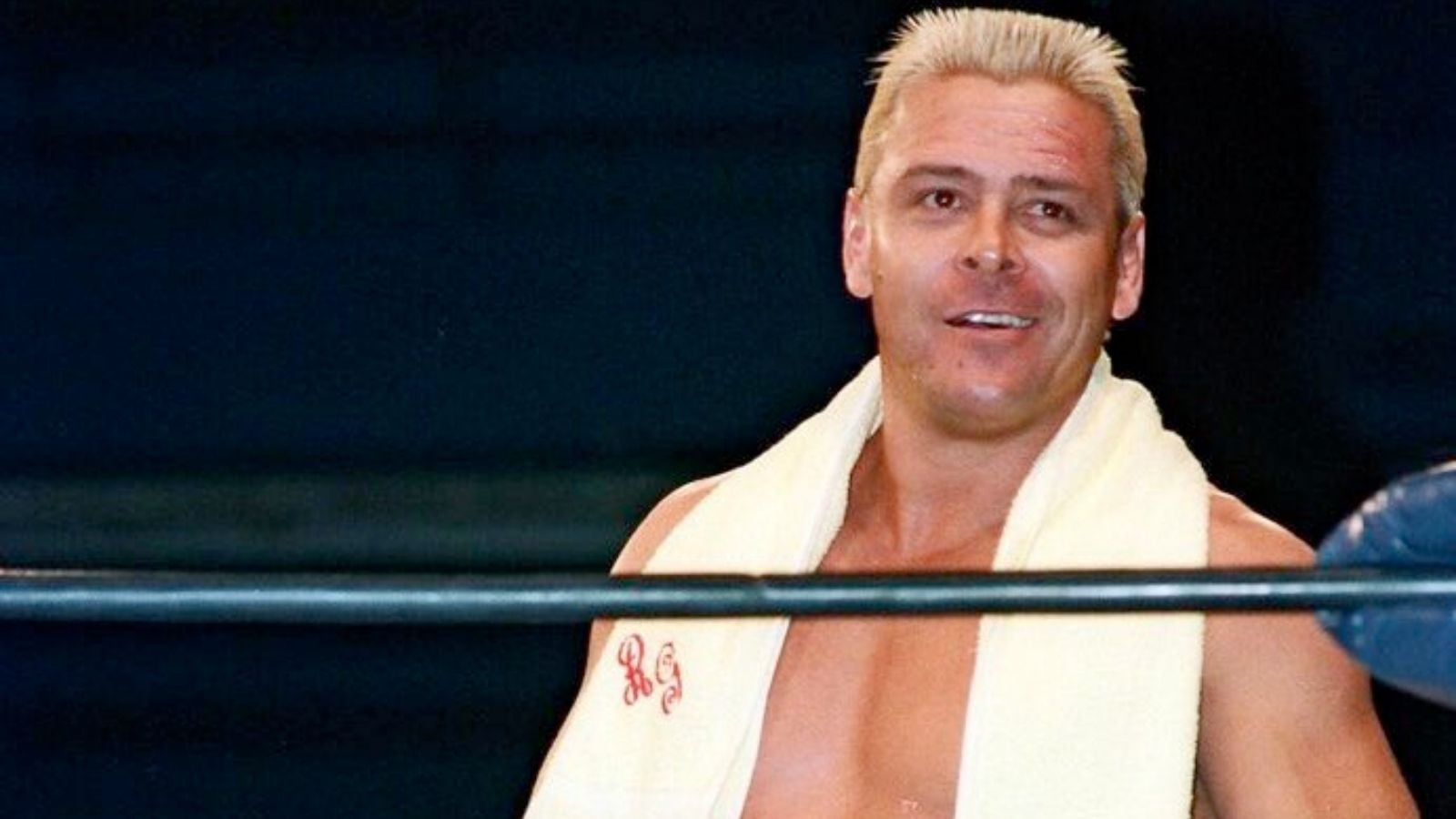
Ronnie Garvin had a career that was built the hard way. He did not become a name because of flash or style points; he became a name because promoters trusted him to work, draw, and take punishment in the kinds of territories where that still mattered.
From his early days in Canada and the Carolinas to his peak in Jim Crockett Promotions and his later WWF run, Garvin’s career tracked the old-school path of a wrestler who earned his place by being reliable, physical, and tough.

Ronnie Garvin – The Early Years
Ron Garvin was born Roger Barnes in Montreal in 1945 and got into wrestling in the 1960s. He worked a long territorial schedule before becoming widely known, and that mattered because it gave him the kind of seasoning most national-era stars never had.
Garvin spent years learning how to work different crowds in different regions, which helped him develop into both a rugged heel and a credible babyface. That versatility would become a major part of why he lasted so long.g
One of the more useful things to remember about Garvin is that he was not handed a top spot early and then asked to learn later.
He came up through the system, worked under different names, and stayed employed because he could adapt. That background made him valuable in a business where a wrestler’s usefulness was often tied to how fast he could fill a spot and hold it without breaking the rhythm of the card.

Territory Foundation
Garvin’s foundation was built in the Southern territories, where audiences valued toughness and straight-ahead work.
He became known for his gritty style, heavy punches, and the “Garvin Stomp,” which fit the kind of presentation promoters wanted from a no-nonsense main eventer.
The “Garvin stomp” is used today by former WWE champion Randy Orton on occasion, carrying on the move’s presence through the NWA and WWF in the 1980s.
The old territory system rewarded men who could work a long loop, keep a feud alive, and make a house show crowd believe the man in the ring meant what he was doing. Garvin could do that.
He also worked as part of teams and identities that helped him fit into different parts of the Southern wrestling map.
In some places, he was a tag wrestler, in others a singles bruiser, and in others the kind of guy who could be turned loose against a top heel and make the match feel like a fight.
That is the kind of career path that usually gets overlooked later because it does not come with a single famous gimmick, but it was the groundwork for everything that followed.

NWA Climb
Garvin’s most important period came with the NWA and Jim Crockett Promotions, where he entered major feuds and eventually earned a world title run. His rivalry with Ric Flair defines the peak of his career.
The feud led to Garvin pinning Flair in Detroit on September 25, 1987, to win the NWA World Heavyweight Championship.
That win mattered because it was a real culmination for a wrestler who had spent years grinding through the South.
Garvin later described the run in honest, unsentimental terms.
“It was a nice big paycheck. That was my bottom line,”
He said.
He added that the object of the job was money and retirement, not romantic ideas about champion life. That quote fits Garvin because he was always presented as a practical wrestler, not a mythmaker.
He also said he “didn’t care” about the champion lifestyle the way someone like Ric Flair might have. That difference in attitude is part of what made the feud work:
Flair represented the glamour, while Garvin represented the harder, straighter version of being champion.

Flair Feud and Title Run
The Flair program was the biggest thing Garvin ever did in wrestling. He was not brought in as a placeholder; he was brought in as the man who could realistically beat Flair and make the NWA title scene feel unstable.
Garvin’s match with Flair in Detroit remains the high point because it delivered the payoff to a long-feeling chase. For a wrestler whose career had been defined by territorial strength, that title win gave him the kind of national recognition that validated his whole path.
Still, the reign was short and, in hindsight, limited. Ronnie Garvin has been candid about not being emotionally attached to the world-champion role.
He said the life of a world champion was not one he really wanted and pointed to the travel and lifestyle demands that came with it.
That honesty matters because it explains why his reign did not turn into a long, mythic run in the way some other champions’ did. Garvin’s career was about doing the job, not chasing the aura.

Key Feuds and Matches
Garvin’s list of key matches is broader than just Flair. He had meaningful programs with Tully Blanchard, Jake Roberts, Greg Valentine, and others in the NWA and later in the WWF.
The Jake Roberts matches helped define his television-era value, especially around the NWA World Television Championship. His feud with Tully Blanchard added another layer because Blanchard was the kind of polished heel who could bring out Garvin’s stubborn, bruising style.
Garvin’s matches with Flair remain the signature work, but his whole NWA run was built on that same principle: he was the kind of man who could be put in with a top heel and turn it into something credible.
That reliability is why he stayed in the top programs so often. He was not the most elaborate wrestler on the roster, but he was one of the easiest to believe in when the bell rang.
WWF Run
Garvin entered the WWF in 1989 and worked under the “Rugged” Ronnie Garvin name. By that point, the business had changed, and Ronnie Garvin was no longer the same kind of top-territory act he had been in the NWA.
But WWF still found a use for him, especially in the feud with Greg Valentine. That feud culminated in a retirement match at the 1990 Royal Rumble, where Garvin defeated Valentine by submission.
That WWF run is important because it shows how his role changed during the national era. He was no longer the centerpiece of the promotion, but he still had enough credibility to get into major angles and specialty matches.
Garvin later said that when he got to the WWF, he knew he did not really fit the environment, but he gave it a try anyway. That comment says a lot about the transition from territory mainstay to aging national-name veteran.
The End of the Road
Garvin’s career did not end with one dramatic final bell. He continued wrestling in various places after his WWF run, including Puerto Rico, Canada, and Smoky Mountain Wrestling.
He also worked in his own Tennessee Mountain Wrestling promotion after SMW folded. The final phase of his career was a mix of occasional matches, promotion work, and the kind of late-career wrestling that many veterans move into once the major runs are behind them.
According to available records, Ronnie Garvin unofficially retired from wrestling in 2014. That date matters because it shows just how long he remained connected to the business after his peak years were over.
He did not disappear when his headline phase ended. He kept working, kept appearing, and kept the career alive far longer than most wrestlers from his generation.
His run ended the way a lot of territorial careers do: not with a giant sendoff, but with the business gradually moving on.
Why He Mattered
Garvin matters because he represents a style of wrestler that no longer exists in the same way. He was not a celebrity first and a worker second.
He was a worker first, and everything else came after. That is why his NWA title win still stands out: it was the reward for a career built on years of dependable work rather than a shortcut to fame.
He also matters because he was honest about the job. Ronnie Garvin did not romanticize wrestling. He understood it as labor, travel, and money, and he had no problem saying so.
That kind of candor gives his career a different feel than the usual legend-making narrative. He was a tough guy, a territory guy, and for one brief stretch, a world champion.
Source Links
-
Career summary and retirement note: Ronnie Garvin – Slam Wrestling
-
Detailed title history and timeline: Ron Garvin – Gerweck.net
-
Career context and legacy: Ron Garvin profilesites.google
-
Interview quotes on Flair and the world title: PWPodcasts quote rounduppwpodcasts